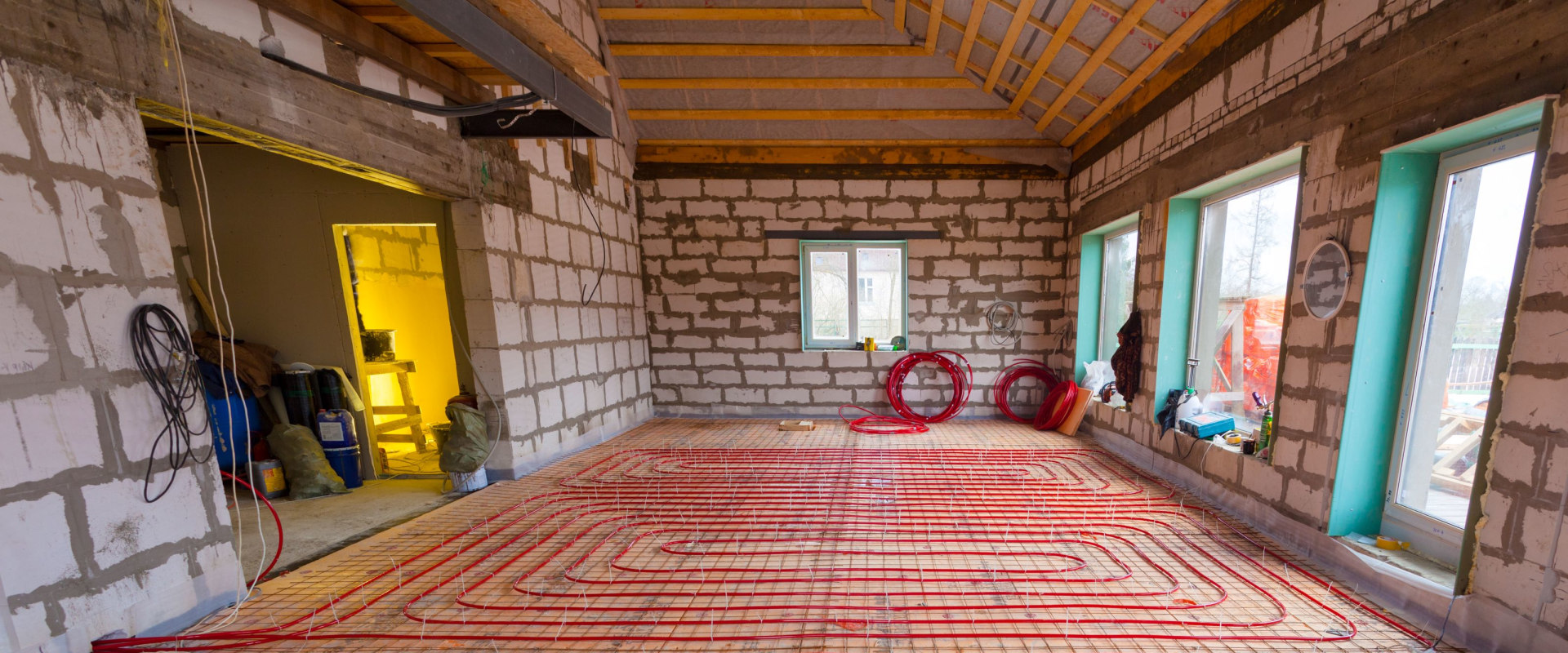
Underfloor heating is an increasingly popular solution for homeowners seeking efficient and evenly distributed warmth throughout their living spaces. Unlike traditional radiators, underfloor systems rely on a network of pipes or electric elements installed beneath the flooring to provide consistent heat. However, when installing underfloor heating in homes with existing plumbing systems, careful planning is essential. Plumbing layouts, pipe conditions, and water pressure all play a role in determining how well the new system will integrate. Understanding these factors helps ensure that both heating and plumbing systems work together without compromising performance or safety.
Evaluating Existing Pipework and System Compatibility
One of the first considerations when installing underfloor heating is assessing the condition and configuration of the existing plumbing system. Older pipes may not be suitable for the increased demands of a hydronic underfloor heating system, which relies on circulating warm water through a series of loops. Issues such as corrosion, leaks, or outdated materials can affect efficiency and reliability. Homeowners are often encouraged to read more about system compatibility and consult professionals who can evaluate whether upgrades or replacements are necessary. Ensuring that the plumbing system is in good condition before installation helps prevent complications down the line.
Managing Water Pressure and Flow Distribution
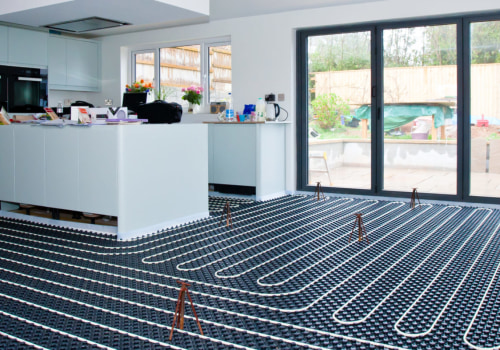
Proper water pressure and flow are critical for the effectiveness of underfloor heating systems. These systems require a balanced and consistent flow of heated water to maintain even temperatures across all zones. If the existing plumbing system has pressure inconsistencies or flow restrictions, it can lead to uneven heating or increased energy consumption. Installing pressure regulators, pumps, or manifolds can help distribute water more efficiently. By addressing these factors during the planning stage, homeowners can create a system that operates smoothly and delivers optimal performance.
Coordinating Installation with Structural and Flooring Elements
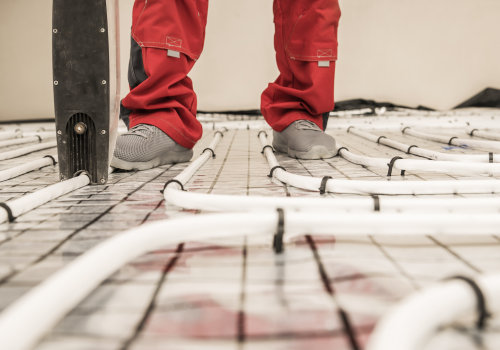
Integrating underfloor heating with existing plumbing also involves coordinating with structural and flooring considerations. The installation process may require adjustments to floor height, insulation layers, and pipe placement to ensure proper heat distribution. Care must be taken to avoid damaging existing plumbing lines during installation. Additionally, selecting compatible flooring materials, such as tile or engineered wood, enhances the system’s efficiency by allowing heat to transfer effectively. This coordinated approach ensures that all elements of the home work together seamlessly.
Long-Term Benefits of Proper Planning and Integration
Taking the time to carefully plan and integrate underfloor heating with existing plumbing systems offers significant long-term benefits. A well-designed system provides consistent comfort, improved energy efficiency, and reduced reliance on traditional heating methods. It also minimizes the risk of future repairs by ensuring that all components are properly aligned and functioning together. Over time, this approach enhances the overall value and functionality of the home. Ultimately, understanding the relationship between underfloor heating and plumbing systems allows homeowners to make informed decisions that lead to a more efficient and comfortable living environment.