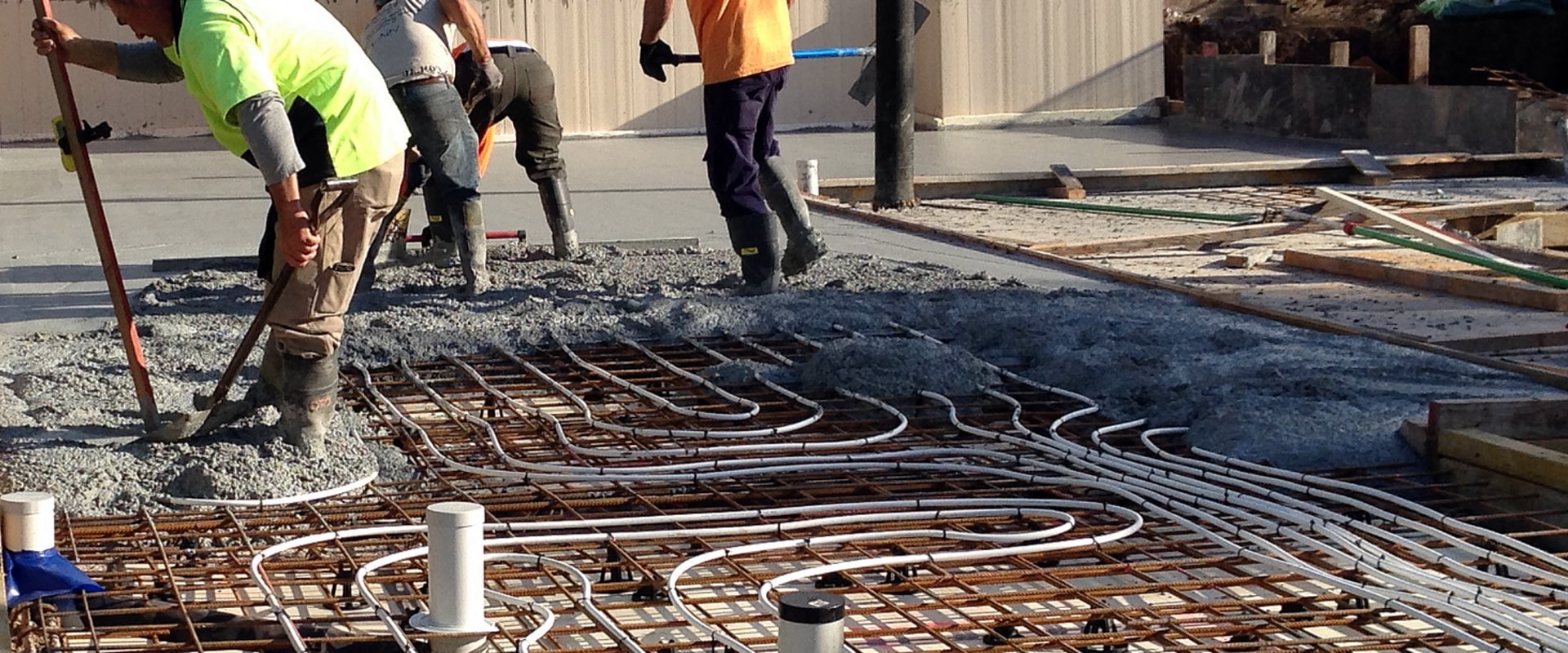
Underfloor heating has become an increasingly popular solution for homeowners seeking comfort, efficiency, and a modern approach to indoor climate control. The two main types—electric and hydronic systems—offer distinct advantages depending on the home’s needs, budget, and long-term goals. Electric underfloor heating uses a network of heating cables or mats installed beneath the floor surface, generating warmth through electrical resistance. Hydronic systems, on the other hand, circulate heated water through a series of pipes beneath the floor, typically powered by a boiler or water heater. Both systems provide consistent, evenly distributed heat, eliminating the cold spots often associated with traditional radiators or forced-air systems.
Installation Differences and Upfront Considerations
One of the primary distinctions between electric and hydronic systems lies in their installation requirements. Electric systems are generally easier and faster to install, making them ideal for smaller areas or retrofit projects such as bathrooms and kitchens. They require less structural modification and can often be integrated without major disruptions. Hydronic systems, however, involve more complex installation, including piping, a heat source, and additional components like pumps and manifolds. This makes them better suited for new construction or large-scale renovations. While the initial cost of hydronic systems is typically higher, they can be more economical over time in larger homes due to their efficiency. In some cases, homeowners may need to evaluate their existing electrical infrastructure, and projects like electrical panel replacement in Austin can become necessary to support the added load of an electric heating system.
Energy Efficiency and Operating Costs
When it comes to energy efficiency, both systems perform well but in different ways. Electric underfloor heating is highly efficient at the point of use, as nearly all the electricity consumed is converted into heat. However, electricity rates can be higher than other energy sources, which may increase operating costs over time, especially in larger spaces. Hydronic systems, by contrast, are often more cost-effective for whole-home heating because they can utilize various energy sources, including gas, solar, or heat pumps. This flexibility allows homeowners to choose the most economical and environmentally friendly option available. Additionally, hydronic systems retain heat longer, which can reduce the frequency of operation and contribute to lower energy bills in the long run.
Comfort, Control, and Performance
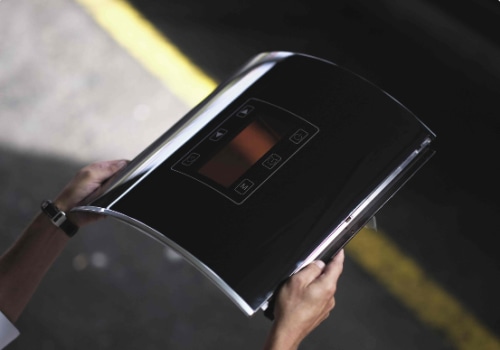
Both electric and hydronic underfloor heating systems excel in delivering consistent and comfortable warmth. Electric systems tend to heat up more quickly, providing near-instant comfort, which is ideal for spaces that are used intermittently. Hydronic systems take longer to reach the desired temperature but maintain it more effectively, making them better suited for continuous heating. Advanced thermostats and zoning capabilities are available for both systems, allowing homeowners to control temperatures in specific areas and optimize energy usage. This level of control enhances overall comfort while ensuring that energy is not wasted in unoccupied rooms.
Choosing the Right System for Your Home
Ultimately, the choice between electric and hydronic underfloor heating depends on the specific needs of the homeowner. Electric systems are often the preferred option for smaller projects, quick installations, and spaces that require rapid heating. Hydronic systems, meanwhile, are ideal for larger homes and long-term efficiency, particularly when integrated into a comprehensive heating strategy. Factors such as budget, installation scope, energy costs, and existing infrastructure all play a role in the decision-making process. By carefully evaluating these considerations and consulting with experienced professionals, homeowners can select a system that delivers optimal comfort, efficiency, and value for years to come.